

The Smith BioMed Vitamin D Deficiency Test is an at-home blood test that allows you to screen for Vitamin D deficiency quickly and privately. Vitamin D is essential for bone health, immune function, and energy levels. Vitamin D deficiency is more common among those who spend significant time indoors or have limited sun exposure, especially during the colder months.
You can purchase the Smith BioMed Vitamin D Deficiency Test at your local pharmacy or online, including at Chemist Warehouse. Below is information on what the test measures, how it works, and how to interpret your results.
Why test for Vitamin D levels?
Vitamin D is an essential nutrient that supports the body’s ability to absorb calcium, maintains bone density, and powers your immune system. Because it is primarily synthesised by the skin through exposure to UV sunlight, many New Zealanders experience seasonal fluctuations.
Who might be at risk of Vitamin D deficiency in NZ?
- People with limited outdoor sun exposure (office workers, shift workers).
- Those who consistently use high-SPF sunscreen or wear clothing that covers most of their skin.
- Individuals with darker skin tones, as they require more sunlight to produce the same amount of Vitamin D.
- Older adults or individuals with conditions affecting nutrient absorption (e.g., celiac or Crohn’s disease).

How does the Vitamin D Deficiency test work?
The Vitamin D Deficiency Test takes a small sample of blood through a finger prick to determine the vitamin D concentration in the body.
- Quick Results: Get an answer if your levels are low in just 10 minutes without waiting for a GP appointment.
- Convenience: The at-home test kit is designed for simple, safe use at home.
- Screening Tool: While this test is an excellent first step, it is a screening tool. If you are concerned about your health or your results, always consult a healthcare provider to properly interpret your levels and determine if further investigation or supplementation is needed.
What does the Vitamin D Deficiency test include?
The Vitamin D Deficiency Test contains everything you need to take the test at home:
- Test cassette
- Capillary dropper
- Buffer
- Alcohol pad
- Lancet
- Instructions
- Colour card
How to take the Smith BioMed Vitamin D Deficiency test
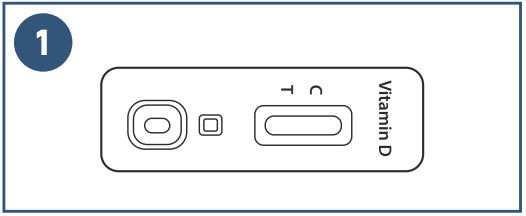
- Wash your hands with soap and rinse with clear warm water. Open the foil pouch and get out the cassette. Place it on a flat surface
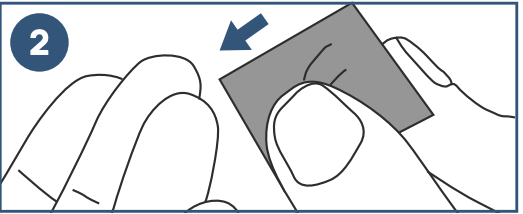
- Use the provided alcohol pad to clean the puncture site on the middle or ring finger.
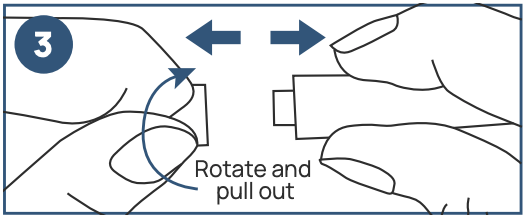
- Carefully twist and pull off and dispose of the round cap of the lancet.
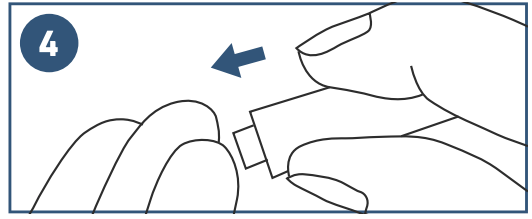
- Press the lancet against your fingertip on the side from where the cap was extracted. This will allow the lancet to pierce the skin. The lancet tip retracts automatically and safely after use.
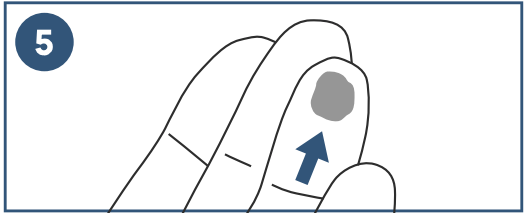
- Keeping your hand down, massage the end of the finger to obtain a blood drop.
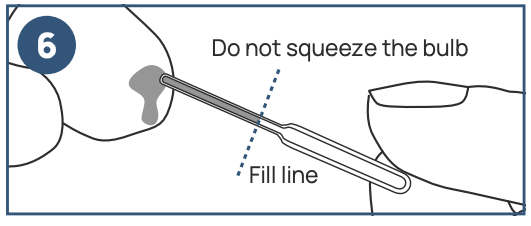
- Place the capillary dropper in contact with the blood without squeezing the bulb. Let the blood flow into the dropper until it reaches the indicated line. Massage your finger if more blood is needed to reach the line.
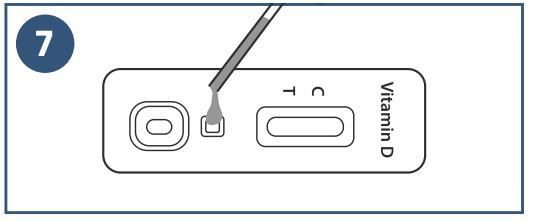
- Place the collected blood into the sample well marked ‘S’ on the cassette by squeezing the dropper bulb.
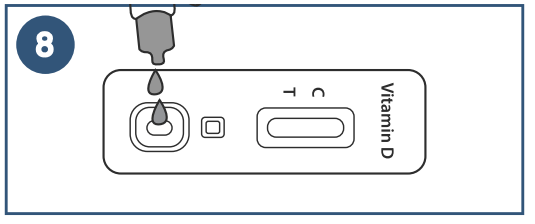
- Wait for all the blood to be in the well, then unscrew the cap of the buffer bottle and add 2 drops of buffer into the round sample well, marked ‘B’, of the cassette.
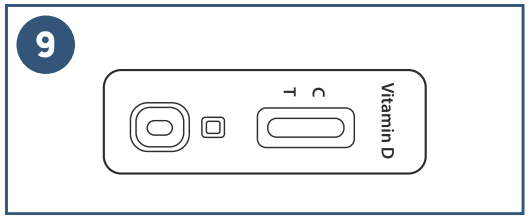
- Wait for the coloured line(s) to appear. Read results at 10 minutes. Do not interpret the result after 20 minutes.
How to interpret your Vitamin D Deficiency test results
Refer to the instructions, but generally:
- Normal: Two coloured lines appear (both the T and C lines). This indicates a sufficient level of Vitamin D in your blood.
- Abnormal: Only one coloured line appears under the Control (C) line. This may indicate a Vitamin D deficiency. You should consult your doctor or a pharmacist to discuss your results and next steps.
- Invalid: No line appears under the Control (C) line. This usually means the procedure was not followed correctly or the specimen volume was insufficient. If this happens, do not rely on the result; repeat the test with a new kit or contact your healthcare provider.
Disclaimer: This at-home test is for informational purposes only and is not a substitute for professional medical advice, diagnosis, or treatment. Always seek the advice of your GP or another qualified health provider with any questions you may have regarding a medical condition or test result.